Results 1 to 20 of 1,532

In Conversation: Podcast explores dynamic relationships between worship and service
BAHÁ’Í WORLD CENTRE, April 25, 2024
Podcast explores two fundamental aspects of a spiritual life, worship and service, bringing together guests to share experiences from a few countries.
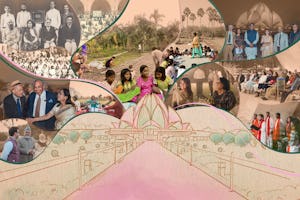
“A solace to humankind”: Bahá’ís of India mark centenary at Lotus Temple
NEW DELHI, April 18, 2024
Gathering at the House of Worship marks Bahá’í National Assembly’s 100th year and explores efforts over the past century to foster social betterment.
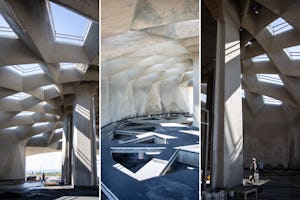
Shrine of ‘Abdu’l-Bahá: Work begins on building systems and exterior surfaces
BAHÁ’Í WORLD CENTRE, April 11, 2024
Construction work on the Shrine of ‘Abdu’l-Bahá enters a new phase focused on intricate details of building systems and exterior surfaces.
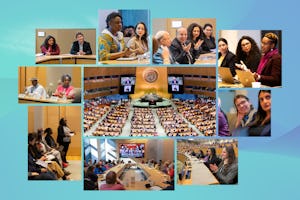
CSW: The critical role of institutions in promoting gender equality
BIC NEW YORK, April 5, 2024
BIC organizes eight events at the UN’s CSW, bringing together over 570 people to explore how institutions can remove barriers to women’s full participation in society.
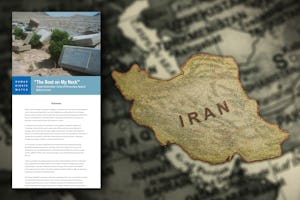
Bahá’ís of Iran: Iran’s government must end “crime against humanity of persecution,” says Human Rights Watch
BIC GENEVA, April 4, 2024
Human Rights Watch documents the discriminatory laws, policies, and practices used by the Iranian government to violate the human rights of Bahá’ís in the country.
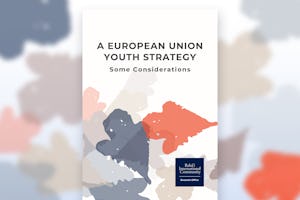
Youth: BIC highlights essential role of youth in social transformation
BIC BRUSSELS, March 29, 2024
A new statement by the Brussels Office of the Bahá’í International Community explores avenues for nurturing young people’s potential as catalysts for social change.

In Conversation: Exploring contributions of the Bahá’í International Community to the betterment of the world
BAHÁ’Í WORLD CENTRE, March 22, 2024
Podcast explores the history and evolution of the BIC and its contributions to discourses pertaining to the future and wellbeing of humanity.

Chile Bahá’í Radio: National sound archive of Mapuche culture comes to life
LABRANZA, Chile, March 14, 2024
Radio Bahá’í in Chile launches national archive project, cataloging four decades of recordings of Mapuche cultural expression through arts, storytelling and conversations

In Conversation: Podcast explores collective inquiry through Bahá’í studies
BAHÁ’Í WORLD CENTRE, March 3, 2024
Podcast explores efforts of the Association for Bahá’í Studies to enrich the intellectual life of communities through consultative approaches to academic inquiry.
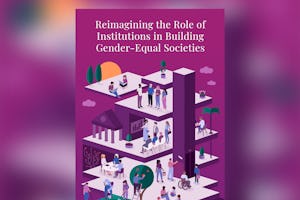
BIC New York: Reimagining the role of institutions in building gender-equal societies
BIC NEW YORK, February 23, 2024
BIC statement to the UN’s Commission on the Status of Women emphasizes self-transformation in institutions that aim to foster more gender-equal societies.

Bolivia: Women’s education a catalyst for societal progress
LA PAZ, Bolivia, February 14, 2024
A forum held by the Bahá’ís of Bolivia explores equality in educational opportunities for women, emphasizing the broader goal of weaving this principle throughout society

In Conversation: Podcast explores power of prayer to shape communities
BAHÁ’Í WORLD CENTRE, February 9, 2024
In this podcast episode, we hear accounts of how prayer and efforts to apply spiritual principles to one’s daily life provide the seeds for social betterment.

Kazakhstan: Spiritual principles basis for strengthening the family
ASTANA, Kazakhstan, February 1, 2024
Roundtable discussions held by the Bahá’ís of Kazakhstan explore how a conception of human nature rooted in the nobility of human beings can strengthen family life.
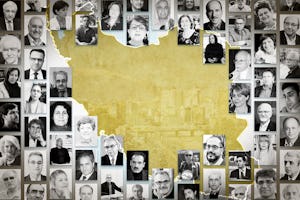
BIC Geneva: Iranian thought leaders call for an end to the “historical shame” of Bahá’í persecution
BIC GENEVA, January 23, 2024
More than 150 Iranian human rights advocates, and social and political activists sign public statement condemning new wave of arrests against Bahá’ís.
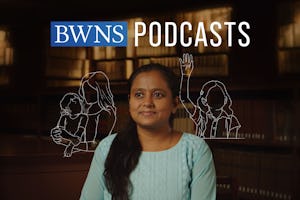
Insights from the field: Podcast explores advances in gender equality in India
PATNA, India, January 18, 2024
Counsellor Bhavna Anbarasan shares insights arising from Bahá’í endeavors in villages in the Indian state of Bihar where a culture of equality is taking root.

Papua New Guinea: Hand carved timber panels beautify emerging temple
PORT MORESBY, Papua New Guinea, January 11, 2024
Local craftsmen in PNG have hand carved 432 timber panels that now frame the nine doors of the rising House of Worship.
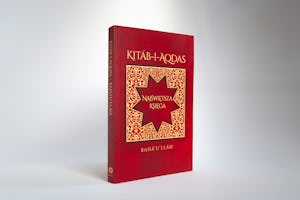
The Kitáb-i-Aqdas: Bahá’í Most Holy Book published in Polish
WARSAW, Poland, January 7, 2024
The Polish translation of the Kitáb-i-Aqdas has been published in print for the first time, the culmination of a dedicated effort spanning almost three decades.
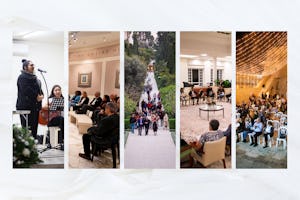
Fostering hope and fellowship: Series of gatherings in ‘Akká-Haifa promote warm interactions
BAHÁ’Í WORLD CENTRE, January 4, 2024
Prayer gatherings in ‘Akká-Haifa have welcomed all people, irrespective of their cultural or religious backgrounds, in a shared spirit of kindness and fellowship.

2023: Year in Review
BAHÁ’Í WORLD CENTRE, December 29, 2023
As 2023 comes to an end, the Bahá’í World News Service looks back at glimpses from efforts around the global Bahá’í community to contribute to social progress.

COP28: Broader conception of human progress needed, says the BIC
DUBAI, United Arab Emirates, December 27, 2023
Delegates of the Bahá’í International Community at COP28 highlight the need for a broader understanding of progress, encompassing both material and spiritual development.